
Park model tiny homes in Santa Clara County, California
Unincorporated Santa Clara County allows one movable tiny home per lot as an accessory dwelling alongside an existing home. County zoning staff describe the process as fairly simple, with utility connections as the main hurdle. Here is what the code requires.
Last verified: October 6, 2026
Schedule Free Consultation- Jurisdiction
- Unincorporated Santa Clara County, California. Cities within the county, such as San Jose, set their own rules.
- Acceptance status
- Allowed as an accessory dwelling unit on a lot with an existing single-family or multifamily home, one movable tiny home per lot in place of one standard ADU
- Governing ordinance
- Santa Clara County Zoning Ordinance, Section 4.10.015 (Accessory Dwelling Units), subsection E (Movable Tiny Homes), originally adopted by Ordinance No. NS-1200.371 in March 2020
- Permit type
- Administrative planning clearance, plus building permits for utility connections. No discretionary hearing is required.
- Certification required
- Constructed to the ANSI 119.5 standard, certified by an accredited third-party inspector, and licensed and registered with the California DMV
- The main hurdle
- Utilities. The home must connect directly to an approved water source, a septic system or sanitary sewer, and electric service. Built-in holding tanks cannot be used to store waste.
- Size limit
- No larger than state law allows for movement on public highways, with at least 100 square feet of enclosed space. Confirm how this applies to your chosen model with the county before purchase.
What Santa Clara County allows
Santa Clara County was one of the first large California counties to write movable tiny homes directly into its accessory dwelling unit rules. In unincorporated areas, a movable tiny home can be added to a lot that already has a primary home, under the same setback and height limits that apply to a detached ADU. County zoning staff confirmed to Snake River Tiny Homes in October 2026 that park model tiny homes meeting these requirements are generally allowed, and that utility connections are the step that trips up most applicants.
The county is currently updating its ADU ordinance to match recent state law, with public hearings scheduled through early 2027. The movable tiny home rules below reflect the code in effect today, so confirm the current version with the Planning Division before you commit to a purchase.
- Lot already has a legally established single-family or multifamily home
- Allowed in rural districts (A, AR, HS, RR), urban residential districts (R1, R1E, RHS, R1S, R3S, R2, R3), neighborhood and general commercial districts (CN, CG, OA), and the A1 and RS districts
- One movable tiny home per lot, in place of one standard ADU. A junior ADU inside the main home is still allowed.
- At least 4 feet from side and rear lot lines, with the same front setback as the main home
- No taller than 16 feet unless the unit meets the setbacks required for a single-family home
- Direct connections to approved water, sewer or septic, and electric service
- Wheels, axles, tongue and hitch hidden from view, with wheels and support jacks resting on a surface approved by the County Building Official
- Mechanical equipment built into the original design, not mounted on the roof or added to the exterior
- Residential exterior: cladding and trim for a home-like appearance, no corrugated aluminum or fiberglass siding, and double-pane windows with exterior trim
- No rentals shorter than 30 days
How the process generally works
- Confirm your lot is in unincorporated county landThese rules apply only outside city limits. If your property is inside San Jose, Santa Clara, Morgan Hill or another city, that city's code governs instead.
- Plan your utility connections firstCounty staff identify utilities as the biggest challenge. Confirm early how the home will connect to water, to a sanitary sewer or an approved septic system, and to electric service, since each connection needs its own permit and inspection.
- Choose a model and confirm it with the countyEvery Snake River Tiny Homes model carries NOAH+ third-party certification. Share your chosen model's dimensions and certification with the Planning Division so they can confirm it meets the size and ANSI 119.5 requirements before you order.
- Apply for planning clearance and building permitsSubmit for the administrative planning clearance along with the building permits for utility connections. State law sets a 60-day review window once the county receives a complete ADU application.
- Register, deliver and connectRegister the home with the California DMV, then we handle delivery and placement. Final steps include skirting the undercarriage and completing the utility hookups for inspection.
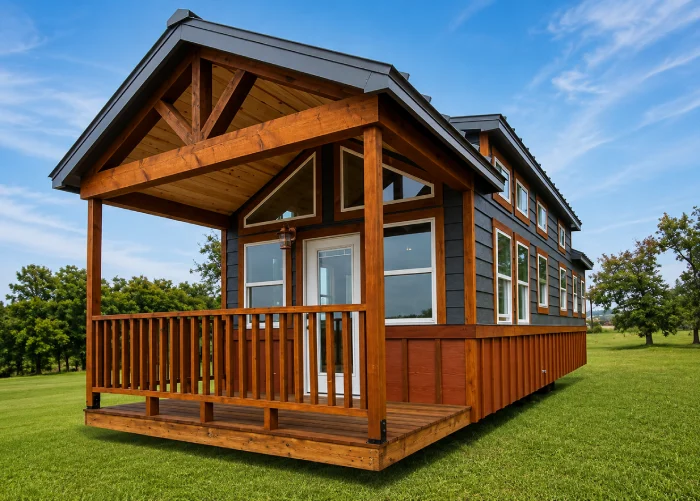
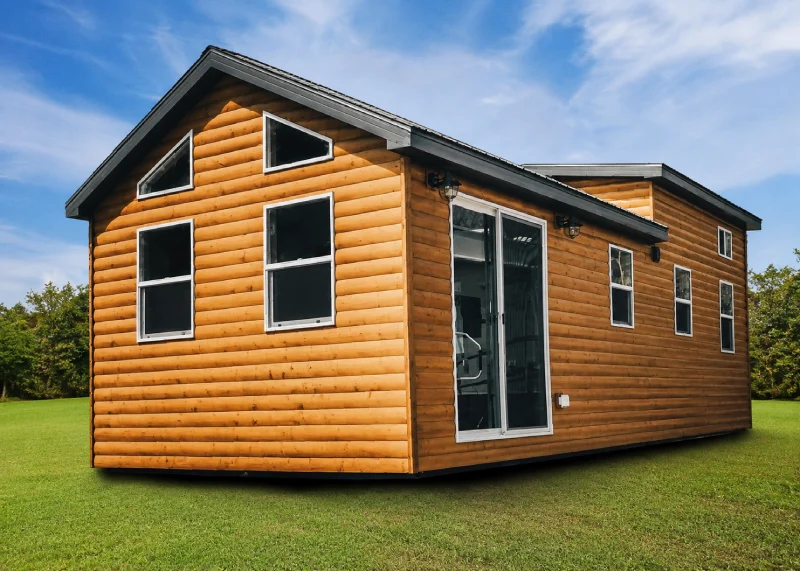
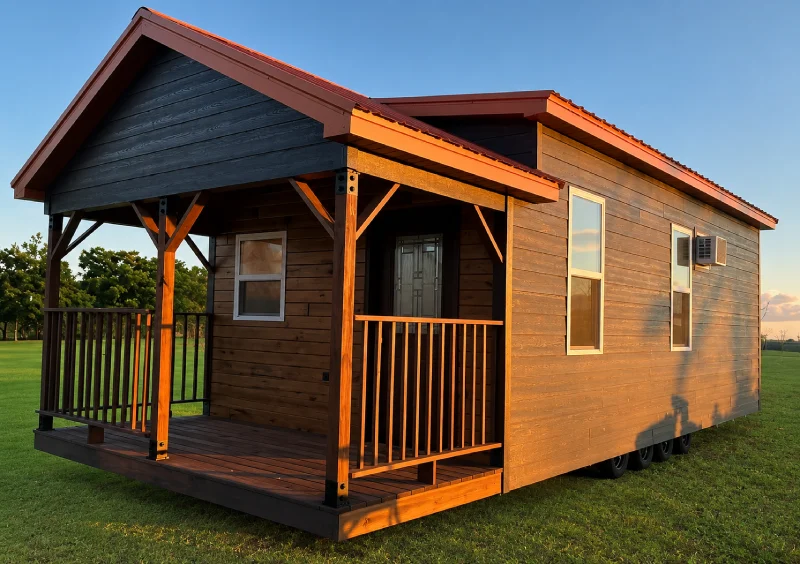
Our models for Santa Clara County
Every Snake River Tiny Homes model carries NOAH+ third-party certification. Talk with us about which floor plan best fits your lot, and confirm the details with the county before you order.
Santa Clara County Department of Planning and Development
The Planning Division is the authoritative source for current requirements, fees and the status of the pending ADU ordinance update. Call (408) 299-5700 and ask for the planner on duty, or visit the permit center at 70 W. Hedding St., East Wing, 7th Floor, San Jose.
Schedule Free ConsultationSource and verification
This page is based on the Santa Clara County Zoning Ordinance, Section 4.10.015 (Accessory Dwelling Units), subsection E, and the movable tiny home rows of the zoning district use tables, as published in the county's zoning ordinance master file. Requirements were confirmed by phone with Santa Clara County zoning staff in October 2026. See all California places we've verified on our California tiny home laws page, or browse the full tiny home zoning guide.
Last verified by Snake River Tiny Homes: October 6, 2026
This page is provided for general information and is not legal advice. Zoning rules change and individual parcels vary, and Santa Clara County is currently updating its ADU ordinance. Buyers should confirm current requirements directly with the Santa Clara County Department of Planning and Development before purchase.
Frequently asked questions
Can I add a park model tiny home behind my house in unincorporated Santa Clara County?
Does the tiny home need permanent utility connections?
Can the home keep its wheels?
Does Santa Clara County set a size limit for movable tiny homes?
Is the county updating these rules?
Ready to place a tiny home in Santa Clara County?
Talk with our family-owned team about models, certification and delivery for your Santa Clara County property.