

Are Radiant Heaters Good for Tiny Homes?
Design · Published
Published by Snake River Tiny Homes

Co-founder and President, Snake River Tiny Homes
The short answer
Yes, cove radiant heaters can provide quiet, space-saving warmth in a tiny home, particularly alongside a mini-split system. Their high wall placement keeps floor space open. Compare them with the home's other heating options before deciding.
Small footprint, big comfort
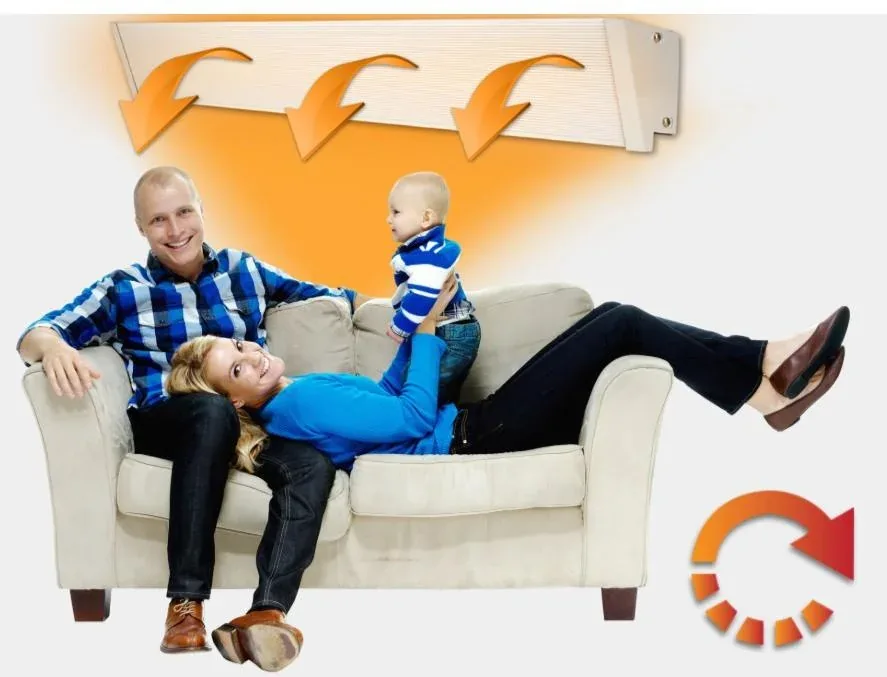
In a tiny home, every choice has to earn its keep. A cove-style radiant heater mounts along the wall at ceiling height, keeping your floor and wall space completely clear. It does not blow air or make noise. It heats objects and surfaces through radiant warmth, which feels natural and genuinely comfortable.
We recommend cove heaters for our Trailblazer, Outpost and Scout models, and we can install them during the build so everything is wired properly from the start.
Why radiant works well in small spaces
Radiant heat warms you the way sunlight does - not by heating the air first, but by warming the objects and surfaces in the room. Because it feels warm at lower thermostat settings than forced air, people often run cove heaters a few degrees cooler than they would run other systems. That is real energy savings.
The mounting position is part of the design. High on the wall where it meets the ceiling, the unit stays completely out of your living space and out of sight. It is ideal for small bathrooms, bedrooms, lofts with circulation challenges and open living areas where you want the floor clear.
The efficiency reality check
Electric resistance heaters convert electricity to heat at a 1:1 ratio. For every kilowatt you put in, you get a kilowatt of heat. That is predictable and straightforward, but it is not the most efficient option for whole-home primary heating in extended cold weather.
In extreme cold - the kind of winter Island Park and Star Valley see - running cove heaters as your only heat source can get expensive. That is where combining them with a mini-split changes the picture.
The best setup: mini-split plus cove heaters
A dual-head mini-split handles primary heating efficiently. Heat pump technology delivers three or more units of heat for every unit of electricity consumed, which makes a meaningful difference over a long Idaho winter.
Cove heaters handle the gaps: chilly mornings before the mini-split catches up, the bathroom on a cold night, a loft that does not circulate as well as the main floor. They also serve as backup heating if the mini-split ever needs service during a cold snap.
This two-part setup is what we recommend for most Mountain West buyers. It maximizes comfort, controls energy costs and gives you redundancy when you need it most.
Installation details that matter
Cove heaters need dedicated circuits. Planning this during the build - rather than adding it later - avoids panel overload and keeps the installation clean. Mounting height, orientation and thermostat placement all affect how well the system performs.
For mobile homes, cove heaters have an advantage over systems with exterior vents or outdoor components: nothing exposed to weather or road movement. They are a simple, reliable option that has been working well in residential applications for decades.
Schedule a consultation and we will size and place the heating system for your specific model and location.
Related reading: Can Tiny Homes Handle Extreme Weather?.
Curious about a tiny home for yourself?
Talk with our family-owned team. No pressure, honest answers about models, financing, zoning and delivery.