

Tiny Home ADU Rules
Add living space, rental income, or a place for family, without building from scratch.
The short answer
A park model tiny home may serve as an accessory dwelling unit (ADU) where local regulations expressly permit that home type and use. Confirm zoning, permits, utilities and occupancy or rental restrictions with the local jurisdiction before purchasing. Start with the exact property and proposed use when discussing your project with the local planning authority.
An accessory dwelling unit, or ADU, is a second self-contained dwelling on a property with a main residence. A park model tiny home can serve this purpose only where local rules permit that home type and use. Confirm the approval process before purchasing or preparing your site.
What people use an ADU for
An ADU is one of the most flexible investments you can make in your property. The same finished tiny home can serve a dozen different purposes over its life, and you can change its use as your needs change.
Common uses include a private guest house, a rental unit for monthly or short-term income, a space for aging parents or adult children, or a quiet home office, studio or workshop separated from the main house.
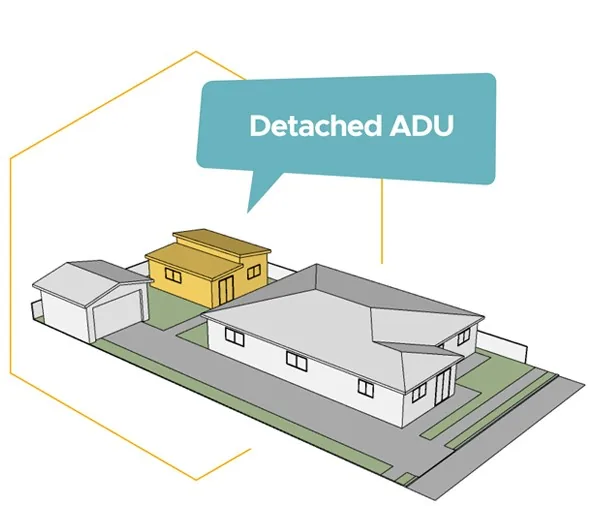
Adding an ADU to your property
Every property is different, so the first step is understanding your local zoning and utility situation. Some areas welcome ADUs with simple permitting, while others have setbacks, size limits or owner-occupancy rules to plan around.
On your free consultation we help you think through placement, utility hookups and the right model for your goals, so you know what is possible before you commit to anything.
Snake River Tiny Homes may provide general information to help buyers navigate local zoning and permitting questions, but this is not legal advice, and buyers are solely responsible for confirming compliance with their local jurisdiction.

What to check before choosing a park model ADU
- Whether park model tiny homes qualify for the intended ADU use
- Required permits, setbacks, size limits and occupancy rules
- Foundation, support, anchoring and inspection requirements
- Water, wastewater and electrical connections
- Rental restrictions and any owner-occupancy requirements
- Separate quotes for transportation, placement, leveling and installation
Frequently asked questions
Is an ADU an accessory dwelling unit on a property with a primary home?
Should I confirm that local ADU rules accept the proposed park model?
Should I confirm local permits and approvals before planning an ADU?
Should I confirm residential and rental permission before renting out an ADU?
Thinking about an ADU?
Tell us about your property and what you want the space to do. We will help you find the right model and map out zoning, utilities and placement.