
Could a Tiny Home Support Independence for an Adult Child with a Disability?
Living Tiny · October 7, 2026
Published by Snake River Tiny Homes

Co-founder and President, Snake River Tiny Homes
The short answer
A small home near family may support an adult child's preferred balance of privacy and assistance, but suitability depends on the person, the design and the approved use of the property. Disability does not describe one set of housing needs. Involve the person who would live there from the beginning, and confirm that the home and support plan fit their daily life.
A nearby home can be one option to explore. The goal is a living arrangement the adult chooses and can use comfortably, rather than assuming a tiny home is the answer for everyone.
What does independence mean to the person?
Talk about the routines they want to manage, the help they want available and how they would like family members to visit. Privacy, having friends over, cooking, work and access to the wider community can all be part of that conversation.
Discuss proximity without treating constant supervision as a default. A separate entrance may be valuable to one person; another may prefer living within the main home or in a different setting.
Which design details need individual attention?
Review entrance access, doorways, circulation space, bathroom use, storage and controls against the person's needs. Depending on the individual, lighting, noise, predictable organization and room for assistance may also matter.
Obtain measurements and review the specific layout with an appropriate accessibility or support professional when needed. A small footprint can limit turning or transfer space. A loft, narrow bathroom or raised entrance should not be assumed suitable.
Snake River Tiny Homes does not represent every model as an accessible design. Ask what can be accommodated and confirmed in writing; some needs may require a different home type or floor plan.
Can a home on wheels be an ADU on your property?
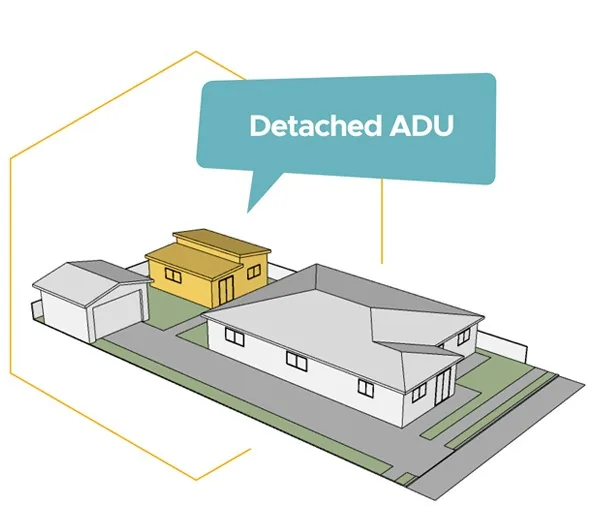
That needs a property-specific answer. An ADU is an approved residential use, not simply any second structure with a kitchen and bathroom. Ask local officials which construction classification, installation and occupancy they permit.
RVIA identifies park model RVs as recreational structures. Certification of a park model alone does not establish eligibility as a permanent residence or ADU.
Use our zoning resources to begin the conversation, then confirm the proposed home with the responsible authority before ordering.
What should the support plan include?
Discuss who provides assistance, how the person contacts someone when wanted, and how visitors or support workers would access the home. Plan the path between buildings as carefully as the interior.
Consider transportation to work, appointments and activities, along with privacy and opportunities for social connection. Being close to family is only one part of a workable living arrangement.
Review the plan as preferences or needs change. Housing should support the person's life, not restrict it to the property.
How should you compare the complete project?
Include site work, utilities, delivery and any confirmed adaptations alongside the home estimate. Separate features available in a configurator from changes that need an individual design discussion.
Watch the tour together if it is useful, and ask our team for specifications and an honest discussion of model limitations. Choosing with confidence starts with the adult's preferences, a suitable design and an approved location.
Related reading
Shop from anywhere. Buy with confidence.
Talk with our family-owned team about your model, options, destination and the questions you want answered before buying.