

Park model tiny homes in Park County, Colorado
Park County allows a tiny home to be the only, full-time dwelling on a parcel in several agricultural zoning districts. Here is exactly what that requires, including the one detail that changes what you're actually building.
Last verified: September 4, 2026
Schedule Free Consultation- Jurisdiction
- Park County, Colorado (unincorporated)
- THOW acceptance status
- Allowed as the primary dwelling on a lot in agricultural zoning districts such as A-35, provided the unit is anchored to a permanent foundation
- The key requirement
- If the unit arrives on wheels, the chassis must be skirted and the tongue removed to signify permanency before it counts as a primary dwelling
- What this means in practice
- The unit converts from a mobile, towable asset to a fixed structure. This is the same practice as placing a unit on concrete blocks, which is common and not a problem
- Certification
- Every Snake River Tiny Homes model already carries NOAH+ certification and meets Park County's construction expectations once installed per local requirements
- Utilities
- A permitted septic system and approved water source are required for full-time occupancy, per county requirements
What Park County allows
Park County's Land Use Regulations allow a tiny home to be the primary residence on a lot, not just a secondary or accessory unit, in agricultural zoning districts like A-35. The requirement is straightforward: the home must be anchored to a permanent foundation. If the unit has wheels, the county requires the chassis to be skirted and the tongue removed, converting it from a towable trailer to a fixed installation. For a buyer comfortable with that trade-off, and many are, since delivering the unit and setting it on blocks or a foundation is standard practice anyway, this is a genuine, real path to full-time ownership as your only home on the land.
- Permitted as the primary dwelling in agricultural zoning districts such as A-35
- Must be anchored to a permanent foundation
- If arriving on wheels, the chassis must be skirted and the tongue removed
- Requires a permitted septic system and an approved water source for full-time occupancy
- Must meet applicable local building code requirements once installed
How the process generally works
- Confirm your parcel's zoningConfirm your specific parcel is zoned for a primary residential use that allows this pathway, such as A-35 Agricultural, with Park County Planning.
- Choose a certified modelEvery Snake River Tiny Homes model already carries NOAH+ certification, meeting the construction standard Park County expects.
- Plan for septic and waterFull-time occupancy requires a permitted septic system and an approved water source. Plan for these alongside your home purchase, not after.
- Confirm current requirements with the countyContact Park County Planning to confirm current foundation, skirting and permitting requirements for your specific parcel before delivery.
- Deliver and installOnce your parcel and utilities are confirmed, we handle delivery and coordinate the foundation and skirting work needed to meet the county's permanency standard.
Certified and ready for Park County
Every Snake River Tiny Homes model already carries the NOAH+ certification Park County expects once properly installed.
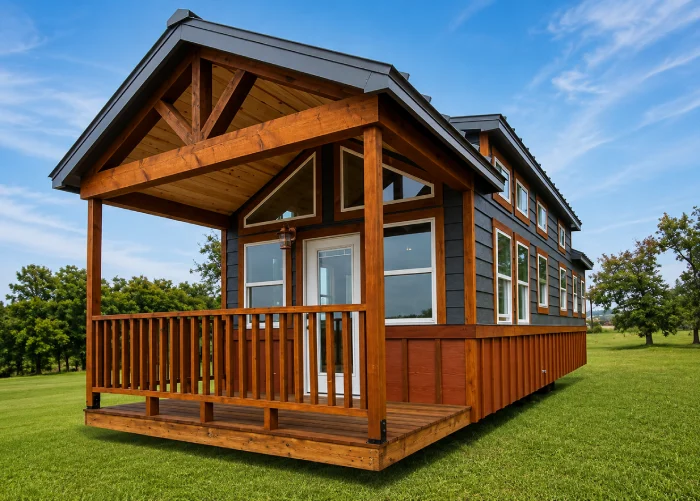
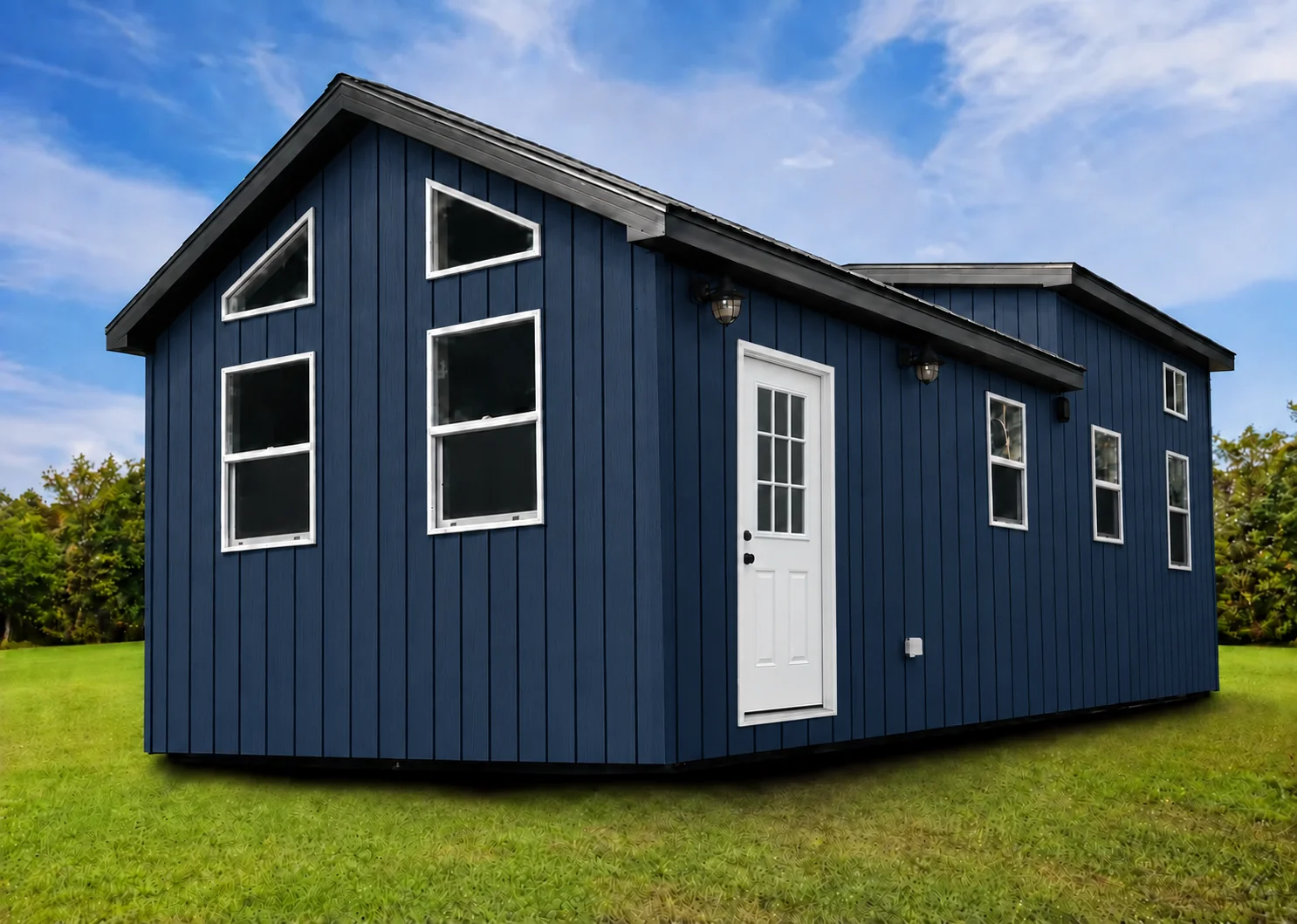
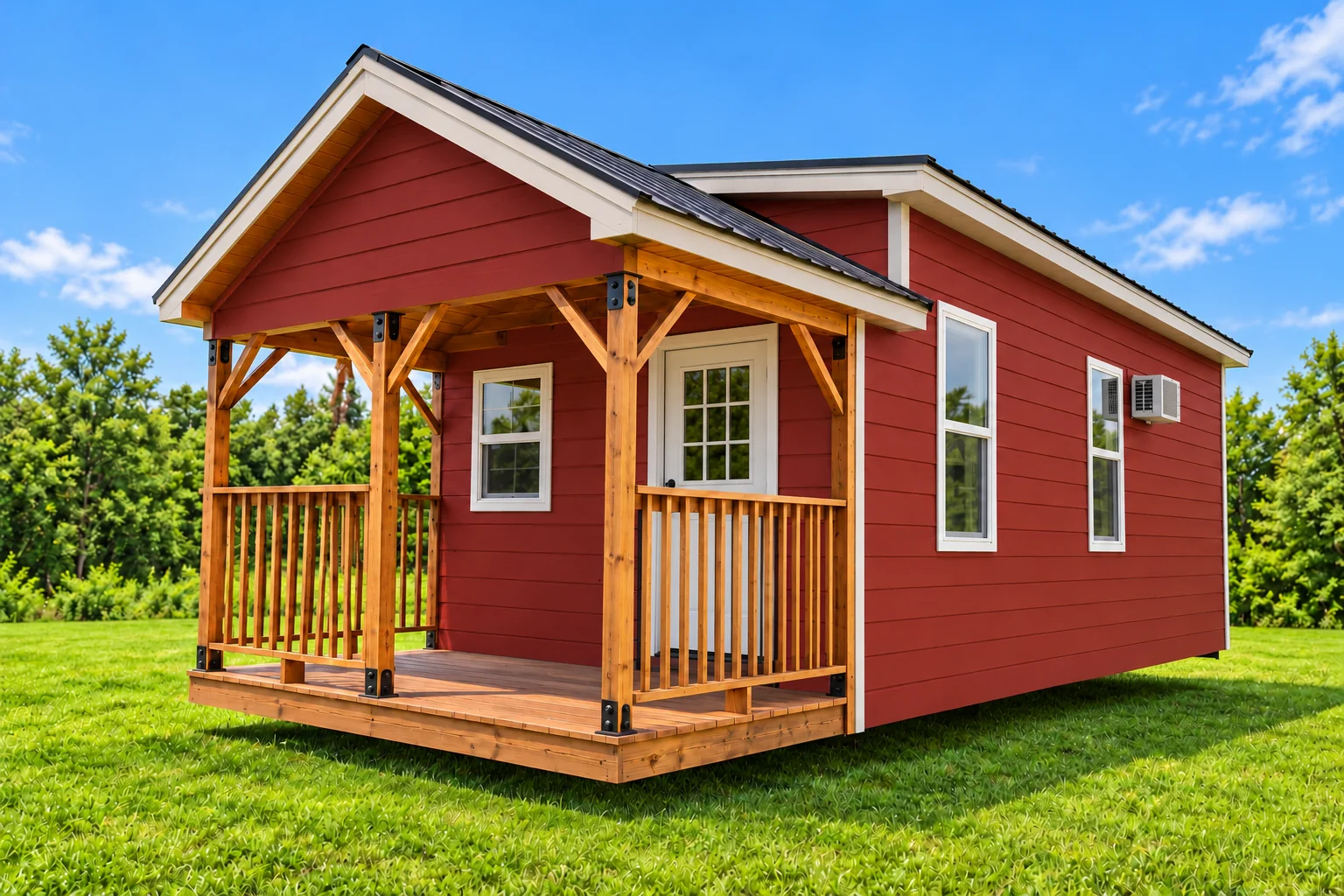
Park County Planning and Zoning
The planning department is the authoritative source for current requirements, fees and application timelines. Confirm details before purchase. Reach them at 719-836-4292.
Schedule Free ConsultationSource and verification
This page is based on the Park County Land Use Regulations governing primary dwellings and accessory living quarters in agricultural zoning districts. This page reflects publicly available secondary summaries of Park County's rules rather than a direct read of the county's own current land use text; we recommend confirming current requirements directly with Park County Planning before purchase.
Last verified by Snake River Tiny Homes: September 4, 2026
This page is provided for general information and is not legal advice. Zoning rules change and individual parcels vary. Buyers should confirm current requirements directly with Park County Planning and Zoning before purchase.
Frequently asked questions
Can a park model tiny home be my only home in Park County?
Does my park model need to keep its wheels in Park County?
Do I need septic and water for full-time living?
Do Snake River Tiny Homes models meet what Park County requires?
Ready to place a tiny home in Park County?
Talk with our family-owned team about models, certification and delivery for your Park County parcel.