

Is a Tiny Home Right
for Life After 50?
Your own space. Family nearby. A home that fits your next chapter.
Schedule Free ConsultationThe short answer
A tiny home can be a good fit after 50 if you want a manageable living space, greater independence near family or a way to downsize using proceeds from a larger home. The right choice depends on your daily routines, storage needs, budget and approved placement. For women buying on their own and couples planning together, comfort means a home that works for everyday life now and as needs change.
Near your children, with a home of your own
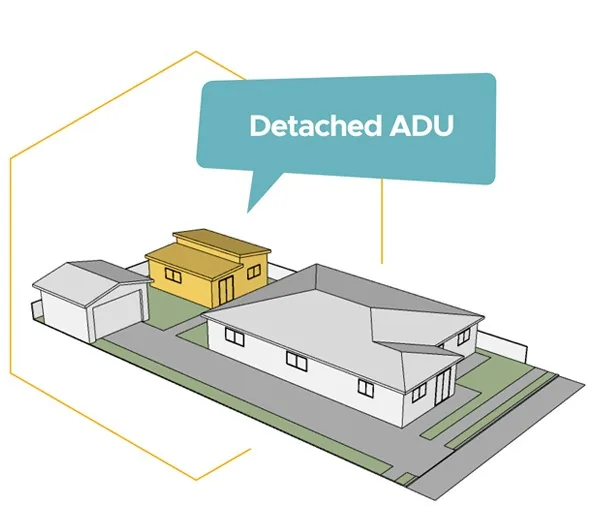
Several older Snake River Tiny Homes buyers have purchased a tiny home for use as an accessory dwelling unit on their adult children’s property. Their goal is simple: live near family while keeping their own home, routines and privacy.
A separate kitchen, bathroom and living space can make it easier to share meals and time together without sharing every part of daily life. You can enjoy being nearby while maintaining the independence that matters to you.
Before purchasing, confirm that the local jurisdiction allows your particular park model home as an ADU and permits your intended residential use. Permission for ADUs generally does not automatically mean a park model qualifies. Start with our zoning resources and tiny home ADU guide, then confirm the requirements for the parcel.
Can selling a larger home help you buy outright?
Some older buyers sell an older, larger home and use part of the proceeds to pay cash for a new tiny home. Some still have a mortgage to pay off; others own their current home outright. Buying without a new home loan can remove one monthly payment and make housing expenses easier to plan.
The amount available is the net proceeds after any mortgage payoff, selling expenses and other obligations. Compare that amount with the entire tiny home project, including land or lot arrangements, delivery, site preparation, permits, utility connections and any steps, deck or access improvements.
Buying the home outright does not eliminate insurance, maintenance, utilities, applicable taxes or lot rent. Consider how much cash you want to retain for emergencies and future needs before committing the proceeds. Your own financial and tax circumstances should guide the decision.
Our fully equipped pricing explanation helps you distinguish the home price from separate project costs. Our article Can a Tiny Home Make Retirement Affordable? explores the budgeting questions in more detail.
Choose everyday comfort on the main floor
Picture an ordinary day: getting out of bed, making coffee, taking a shower, doing laundry and putting groceries away. Ask to see the actual floor plan and dimensions for the configuration you are considering.
If climbing is something you prefer to avoid, prioritize main-floor sleeping and bathroom access. Treat a loft as optional space rather than a bedroom you must use every day. Discuss entry steps, door clearances, shower access, walking space and reachable storage before finalizing your selections.
Main-floor living does not automatically mean a home is wheelchair accessible or suited to every future mobility need. Review your requirements with us and any relevant professional before ordering; confirm which changes are available for the model.

Is there enough room for two?
For couples, a workable layout gives both people room for their routines. Consider where each of you sits, whether one person gets up earlier, how much kitchen space you use together and where hobbies or occasional work will happen.
For a woman purchasing on her own, the same questions help identify what makes the home feel comfortable and personal. Think about visitors, pets, privacy and convenient access to the people and services you rely on. Age and gender do not determine the right layout; your daily life does.
Watch our home tour together or on your own, then compare models and floor plans. Ask about bed size, clearance around furniture and the storage available in your exact configuration.
Downsize your possessions before choosing your storage
Make a practical list of the things you plan to keep: clothing, cookware, pantry items, documents, cleaning supplies, hobby equipment and seasonal belongings. Decide where those items will go rather than assuming you will find space after moving.
If you need an outdoor shed or other storage, include its cost and confirm whether it is allowed at your destination. Leave everyday items easy to reach so that downsizing does not turn simple tasks into constant rearranging.
Less space to maintain, with responsibilities to plan for
A smaller home gives you less interior space to clean and may reduce the amount of upkeep compared with a larger house. A new home can also be appealing when your current home needs repairs, but it will still need regular care.
Plan for roof and exterior inspections, sealants, heating and cooling service, plumbing, appliances and seasonal tasks. Heating costs and maintenance needs depend on the home’s specifications, climate, placement and use. Ask what you will need to maintain and who can service the home locally.
Talk through the family-property plan
- Confirm written local approval requirements for the specific home type, parcel and intended use before purchasing
- Decide who owns the tiny home and who owns the land
- Agree on utility charges, insurance, maintenance and shared expenses
- Discuss privacy, visitors, parking, pets and expectations about helping one another
- Plan what happens if the property is sold, someone moves or living needs change
- Document the arrangement and obtain appropriate professional help for ownership, land-use and estate questions
A family-property arrangement can support independence when everyone understands the practical responsibilities.
What belongs in your full ownership budget?
Compare both the up-front project cost and ongoing expenses with the home you have today. Include the home and upgrades; delivery and placement; land purchase or lot rent; permits and site work; water, sewer or septic and electrical connections; access improvements; insurance; utilities; applicable taxes and fees; and a maintenance reserve.
Use actual quotes wherever possible. A smaller home is not automatically the lowest-cost choice if the destination needs extensive work, and a cash purchase still has ongoing costs. We can help you understand the home selections and coordinate purchase information while you obtain local site estimates.
Start with the life you want to live
You do not have to be retired to consider a smaller home. Start with what you want more of: time with family, a manageable space, privacy, or a simpler routine. Then work through the home, placement and budget together. Our Modern Buying experience lets you explore these choices from home with personal help.
For another perspective on family-property living, read Why Do Women Choose Tiny Home ADUs? AARP also explains how ADUs can help multigenerational families stay close while maintaining independence. Its discussion covers ADUs broadly, rather than approval of any specific park model.
Frequently asked questions
Can I live in a tiny home on my adult child’s property?
Can I sell my larger house and pay cash for a tiny home?
Is a tiny home suitable for a woman living alone or a couple over 50?
Do I need to use a sleeping loft?
Does main-floor living mean the home is accessible?
A home for your next chapter.
Tell us how you want to live, who you want nearby and what matters in your daily routine. We will help you compare homes and understand the next steps.