

Park model tiny homes in San Diego County, California
Since September 2025, unincorporated San Diego County has recognized a qualifying tiny home on wheels as a dwelling that may be used as a primary residence or an ADU when its published standards are met.
Last verified: September 12, 2026
Schedule Free Consultation- Jurisdiction
- Unincorporated San Diego County, California
- THOW acceptance status
- May be permitted as a standalone primary residence or as an accessory dwelling unit when County requirements are met
- Governing determination
- County of San Diego Planning and Development Services Director's Determination on Tiny Homes on Wheels, dated September 4, 2025
- Certification required
- Certification from an approved agency showing compliance with ANSI A119.5 Park Model RV Standard and County of San Diego THOW requirements. The County lists approved agencies that include NOAH, Pacific West Associates and RVIA
- Size and installation
- County guidance states a THOW must be under 430 square feet, no taller than 16 feet, and installed or parked so it cannot move from the approved location
- Permits and inspections
- A County permit is required, with project-specific review that may include fire access, legal lot status, septic, flood, grading, stormwater, utilities and right-of-way considerations
What San Diego County allows
The County of San Diego now recognizes a qualifying Tiny Home on Wheels as a dwelling unit in unincorporated county territory. Under the September 4, 2025 Director's Determination and current County guidance, a THOW may be used as either a primary dwelling or an accessory dwelling when the property, home and installation meet the County's zoning, permitting, construction, fire and site requirements.
- The parcel must comply with allowable zoning density and other applicable land-use requirements
- The THOW must provide permanent provisions for living, sleeping, eating, cooking and sanitation
- County guidance states the THOW must be under 430 square feet, with an optional loft subject to the County's published limit
- Certification must come from an approved agency and document ANSI A119.5 compliance plus County of San Diego THOW requirements
- A permit from Planning & Development Services is required before installation
- Project review may include fire access, septic or sewer, grading, flood, stormwater, electrical and right-of-way requirements
- The unit must be installed so it cannot move from the approved location
- County inspections are still required; third-party certification does not replace local permitting or inspection
How the process generally works
- Confirm the property is in County jurisdictionThis pathway applies to unincorporated San Diego County. If the property is inside an incorporated city, confirm that city's rules instead.
- Confirm zoning, density and intended useWork with County Planning & Development Services to confirm whether the THOW will be used as a primary residence or ADU and that the parcel can support the proposed dwelling under applicable zoning and density rules.
- Confirm the exact model documentationThe County requires a certification statement from an approved agency showing compliance with ANSI A119.5 and County THOW requirements. NOAH is listed among approved agencies, but buyers should confirm the exact documentation for the specific Snake River model before purchase.
- Prepare the permit package and sitePlans must show the project scope, plot plan, THOW requirements and certification. Depending on the property, additional review may be needed for utilities, septic, fire access, grading, stormwater, flood or other site conditions.
- Complete delivery, installation and inspectionsAfter permits and site requirements are in place, delivery and installation can proceed. County inspections and any required fire-district sign-off must be completed before occupancy.
Models to evaluate for San Diego County
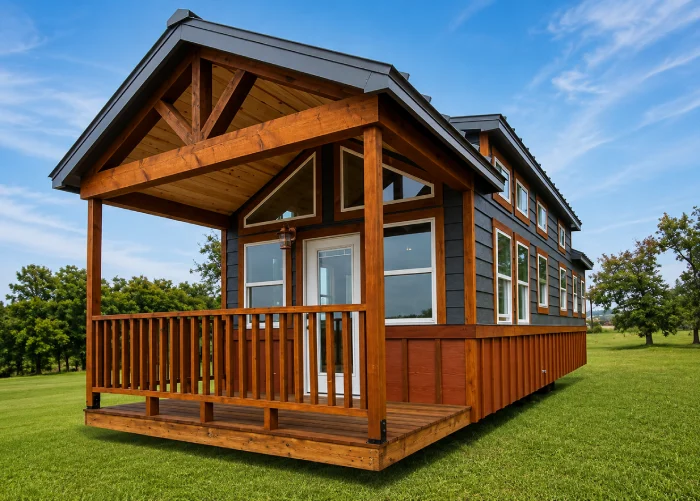
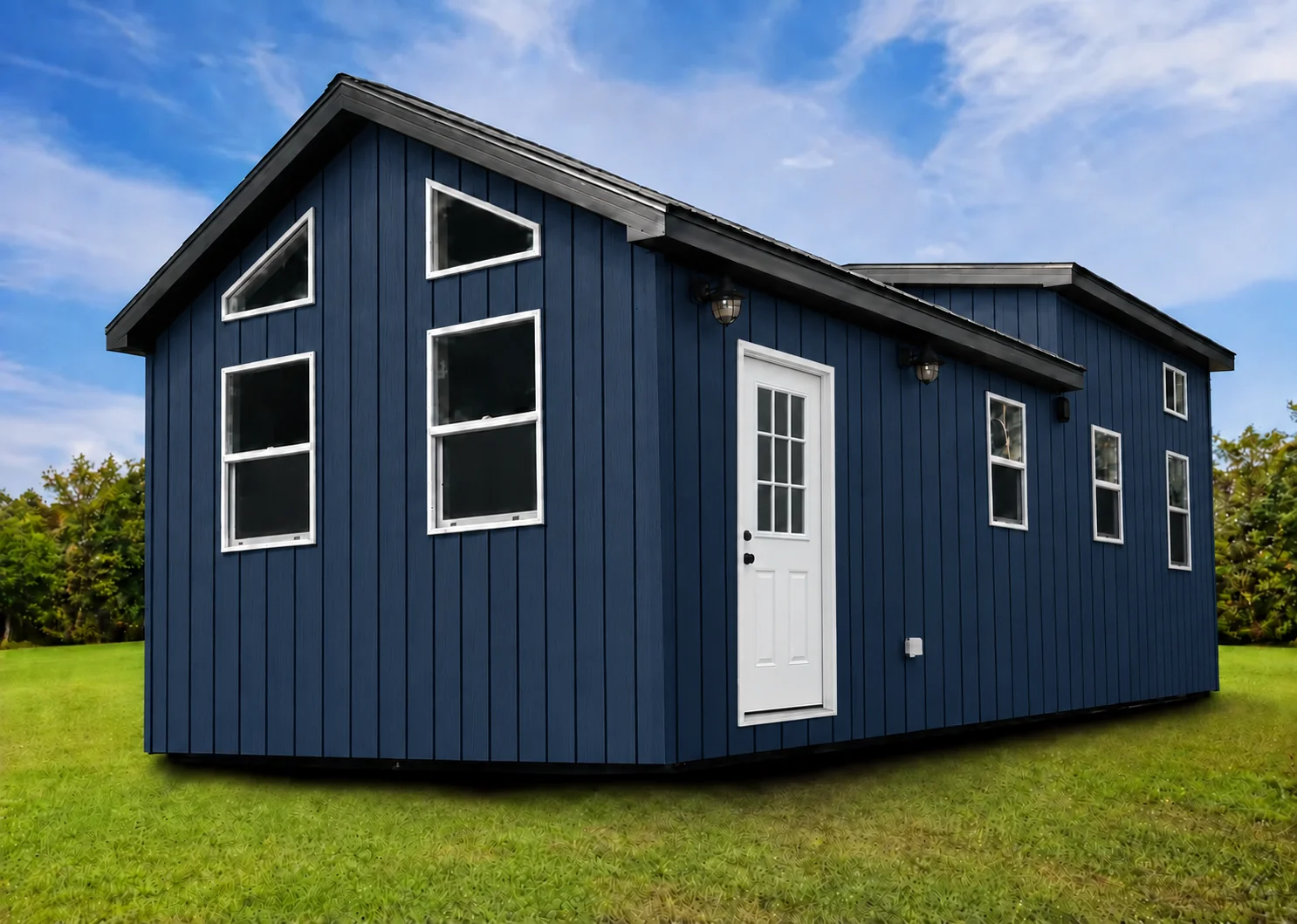
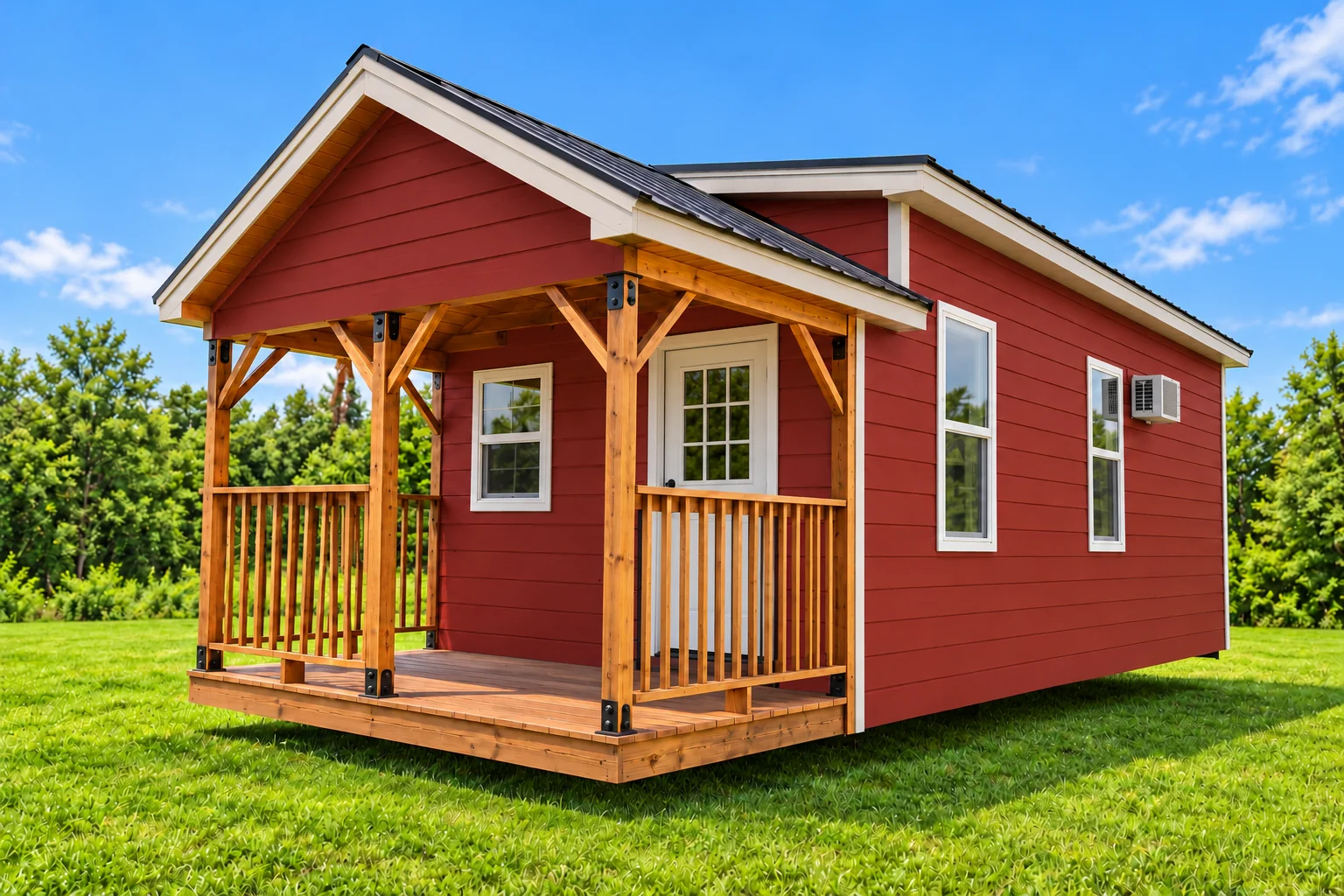
Snake River Tiny Homes offers three park model layouts under the County's published THOW size ceiling, but the exact certification documentation for the chosen model should be confirmed with the County before purchase.
San Diego County Planning and Development Services
Planning & Development Services is the authoritative source for current THOW permitting requirements, property-specific review and accepted certification documentation. Confirm details before purchase.
Schedule Free ConsultationSource and verification
This page is based on the County of San Diego Planning & Development Services Director's Determination on Tiny Homes on Wheels dated September 4, 2025, plus the County's current Tiny Homes on Wheels permitting guidance.
Last verified by Snake River Tiny Homes: September 12, 2026
This page is provided for general information and is not legal advice. Zoning rules, building requirements and individual parcels vary. Buyers should confirm current requirements and model documentation directly with San Diego County Planning & Development Services before purchase.
Frequently asked questions
Can a tiny home on wheels be my primary residence in unincorporated San Diego County?
Can a tiny home on wheels be an ADU in unincorporated San Diego County?
Does NOAH+ certification automatically prove my home meets San Diego County requirements?
Does this apply inside the City of San Diego or other incorporated cities?
Can a THOW approved under this pathway be used for short-term stays?
Considering a tiny home in San Diego County?
Talk with our family-owned team about models, documentation and delivery, then confirm the property-specific permit requirements with the County.